





Why Bed Connectivity Should Be Part of Your Healthcare Construction Plan
Hospital renovation planning is one of the biggest investments a health system can make. Whether you’re building a replacement hospital, expanding an existing campus, or designing a new patient tower, every decision affects how your facility will operate for years to come. While most project teams spend months selecting beds, nurse call systems, medical equipment, and finishes, one critical piece of infrastructure is often overlooked until it’s too late: bed connectivity.
It may seem like a small detail, but the connection between the hospital bed and the nurse call system plays a major role in patient safety, maintenance, room standardization, and future technology upgrades. The best time to think about it is during hospital renovation planning, not after patients have moved in.
Download our Connected Bedside Buyer’s Guide to learn what questions to ask before selecting a bed connectivity solution.
If your organization is investing in hospital modernization, now is the time to make bed connectivity part of your overall healthcare infrastructure planning strategy.
Why Hospital Renovation Planning Should Include Bed Connectivity
When architects, engineers, facilities teams, and clinical leaders begin healthcare facility planning, they spend countless hours designing the infrastructure hidden behind the walls. Electrical systems, medical gas, networking, and HVAC all receive careful attention because they become permanent parts of the building.
Bed connectivity should be treated the same way.
Rather than thinking of it as another accessory that’s added after construction, bed connectivity should be designed into every patient room from the beginning. A standardized approach makes future maintenance easier, reduces equipment compatibility issues, and gives hospitals the flexibility to adopt new technology without rebuilding patient rooms.
Organizations like the American Society for Health Care Engineering (ASHE) encourage healthcare organizations to plan infrastructure with long-term facility performance in mind. Likewise, the Facility Guidelines Institute (FGI) emphasizes thoughtful planning and design to support safe, adaptable healthcare environments.
Hospital Construction Is Building More Than Patient Rooms
Today’s hospitals are expected to do more than provide care. They’re expected to support connected technologies, improve communication, and adapt as clinical workflows evolve.
That’s why patient room design has changed dramatically over the last decade.
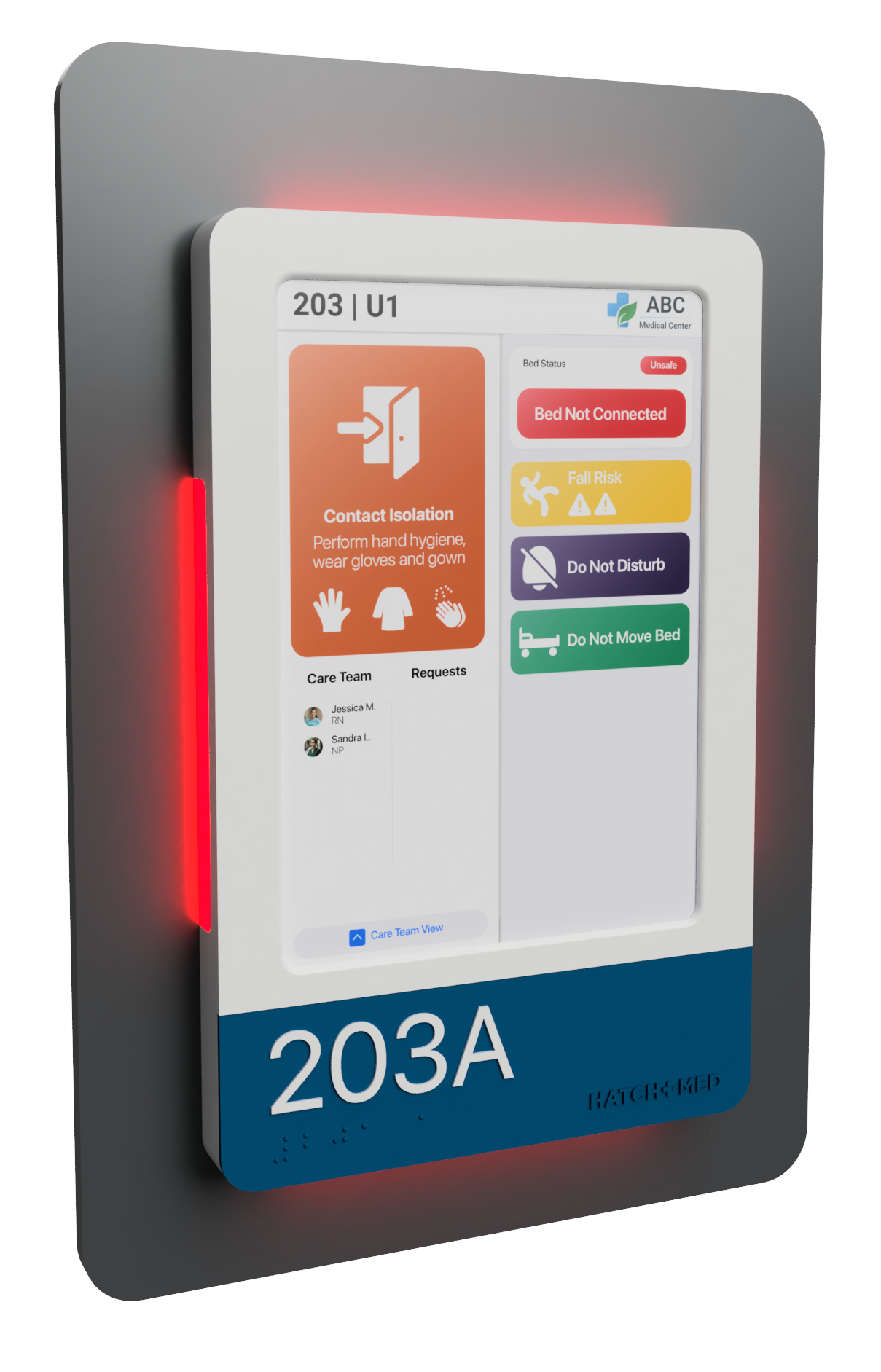
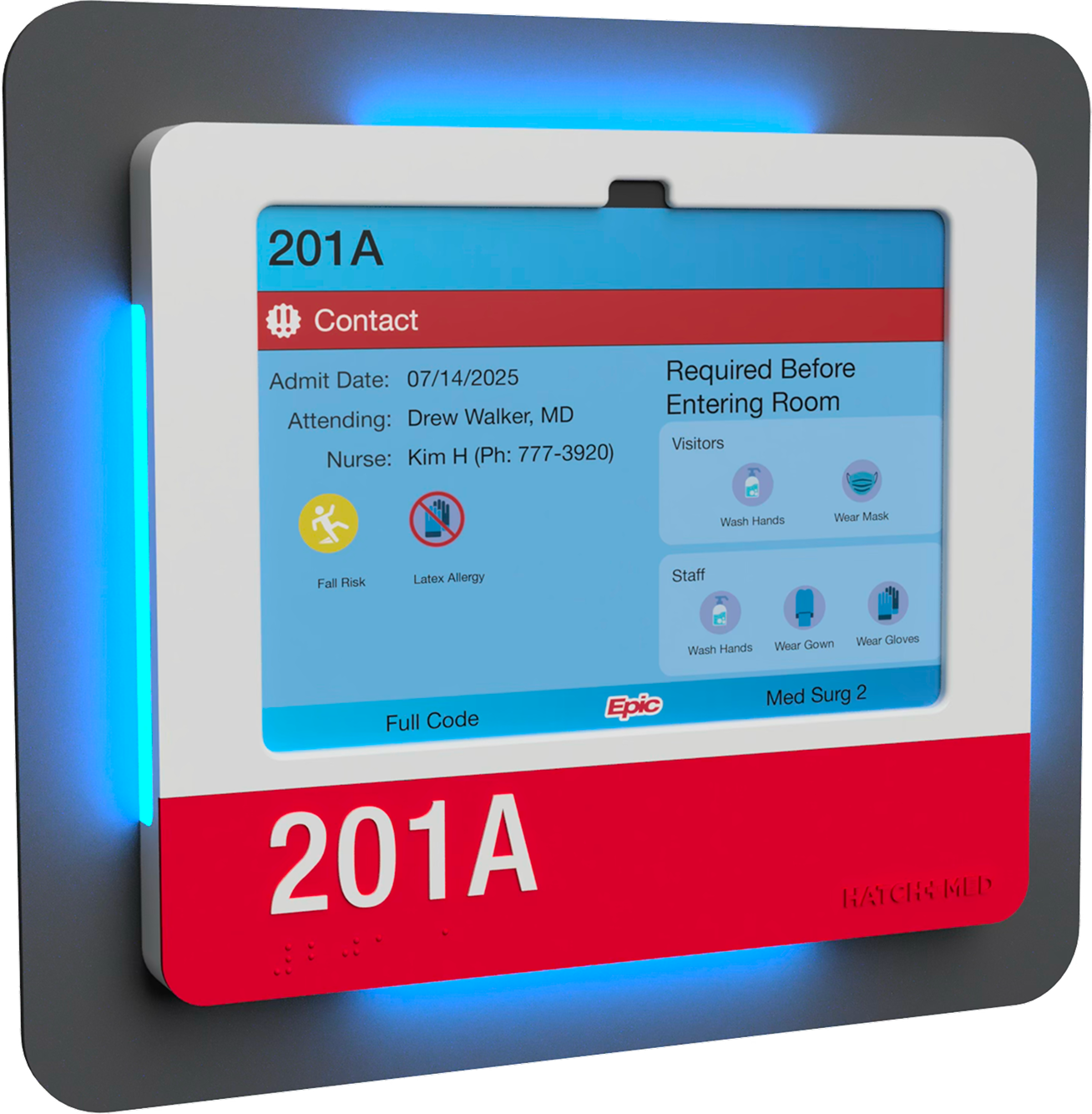
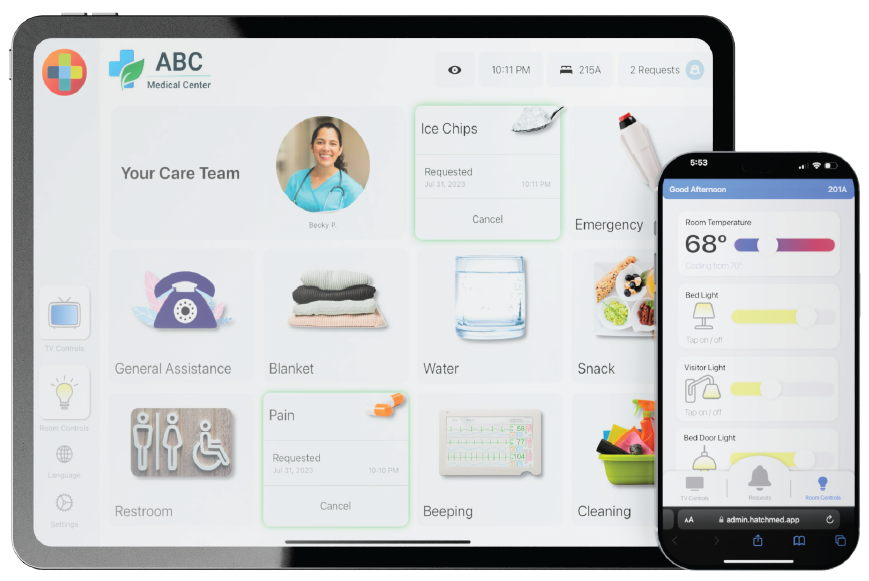
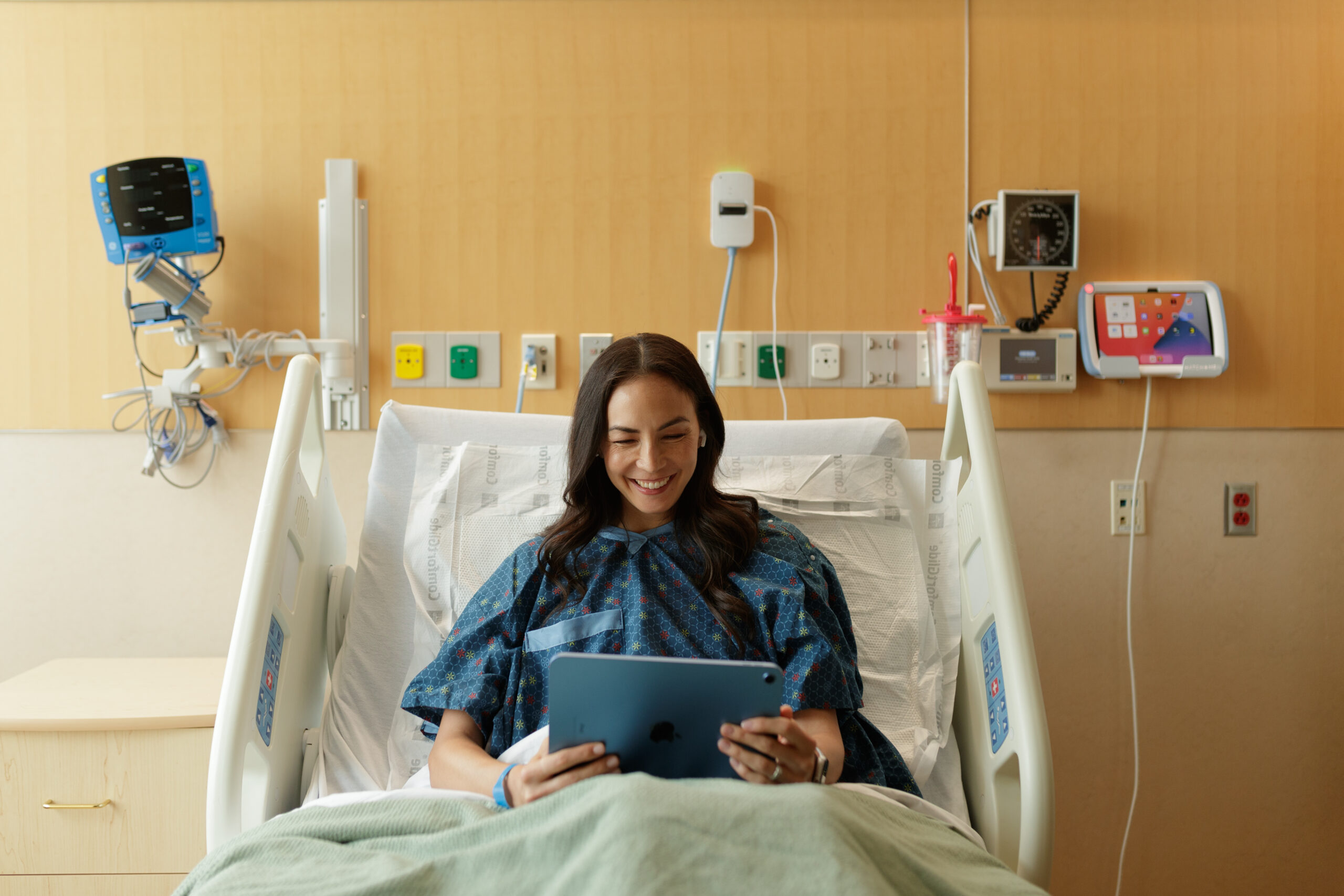
A modern connected patient room may include nurse call, smart beds, digital door signage, patient engagement tablets, wireless monitoring, and future automation technologies. None of those systems operate in isolation. They depend on reliable infrastructure working behind the scenes.
That’s why hospital renovation planning should include a strategy for bed connectivity from day one.
Standardization Makes Hospital Facilities Easier to Manage
Every time a hospital builds patient rooms differently, someone eventually pays the price.
Facilities teams have to stock different replacement parts. Biomedical engineering supports multiple cable types. Nurses move between rooms that don’t work the same way. Future renovations become more expensive because each unit has evolved differently over time.
Standardization solves those problems before they happen.
By choosing one bed connectivity strategy during healthcare construction, hospitals can create patient rooms that are easier to maintain, easier to upgrade, and more consistent for caregivers.
That means:
- Fewer replacement parts
- Easier maintenance
- More consistent patient rooms
- Simpler technology upgrades
- Better long-term reliability
For health systems planning multiple phases of renovation or campus expansion, those benefits continue for years.
Four Solutions That Support Hospital Renovation Planning
Every patient room has different needs, which is why HatchMed offers several solutions that work together to support modern healthcare infrastructure planning.
BlackJack
BlackJack is a universal 37-pin magnetic bed cable that connects virtually any hospital bed to any nurse call system.
Its magnetic breakaway protects expensive wall ports when beds are moved, reducing damage while maintaining reliable bed alarm communication. For hospitals looking to standardize across multiple bed manufacturers, BlackJack creates a flexible infrastructure that can grow with the facility.
Learn more about BlackJack Magnetic Bed Connectivity.
BlueJack
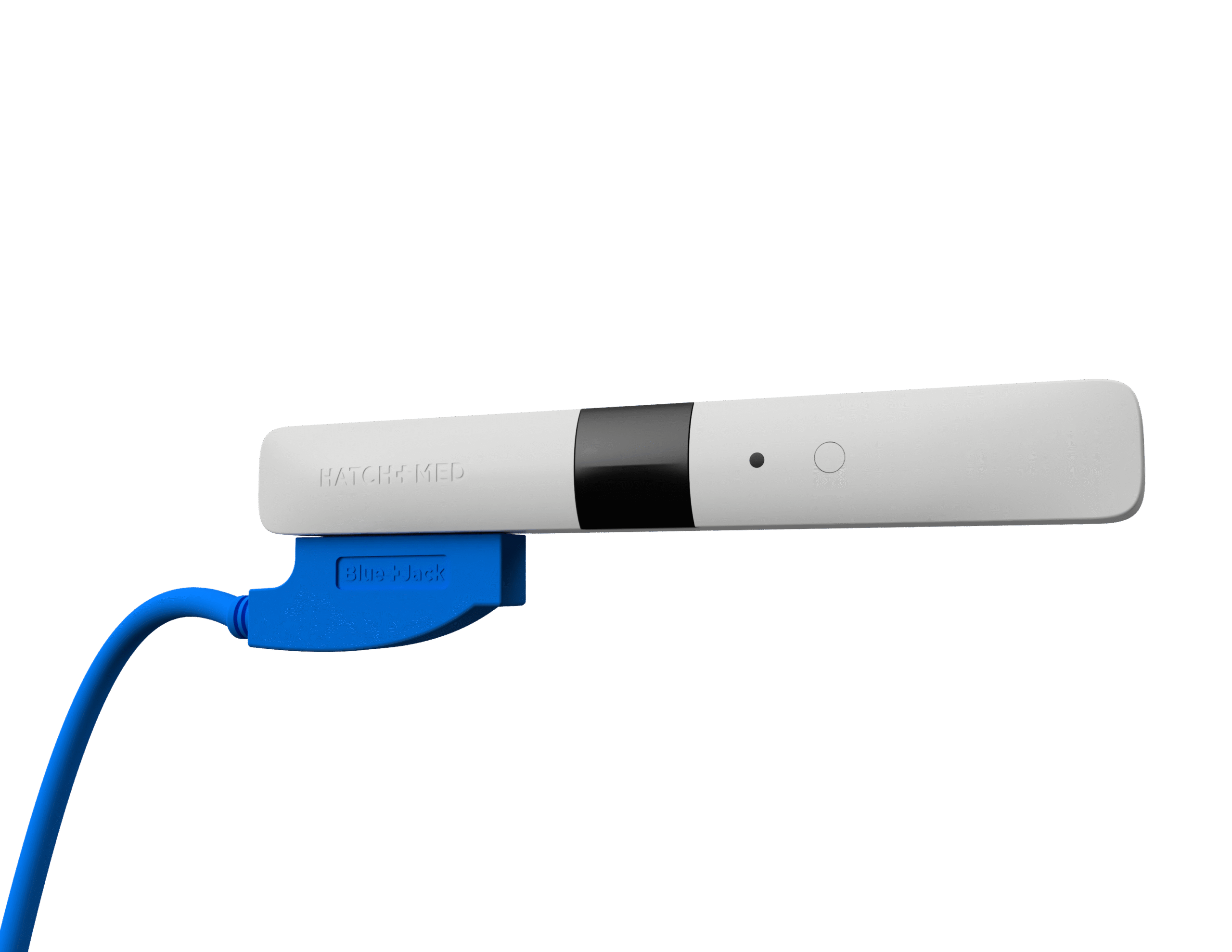
BlueJack provides wireless bed connectivity without replacing existing nurse call systems or opening walls.
For renovation projects where construction time is limited, wireless connectivity offers an easy path toward modernization while protecting previous infrastructure investments.
See how BlueJack Wireless Bed Connectivity modernizes existing patient rooms without rewiring.
HighLight
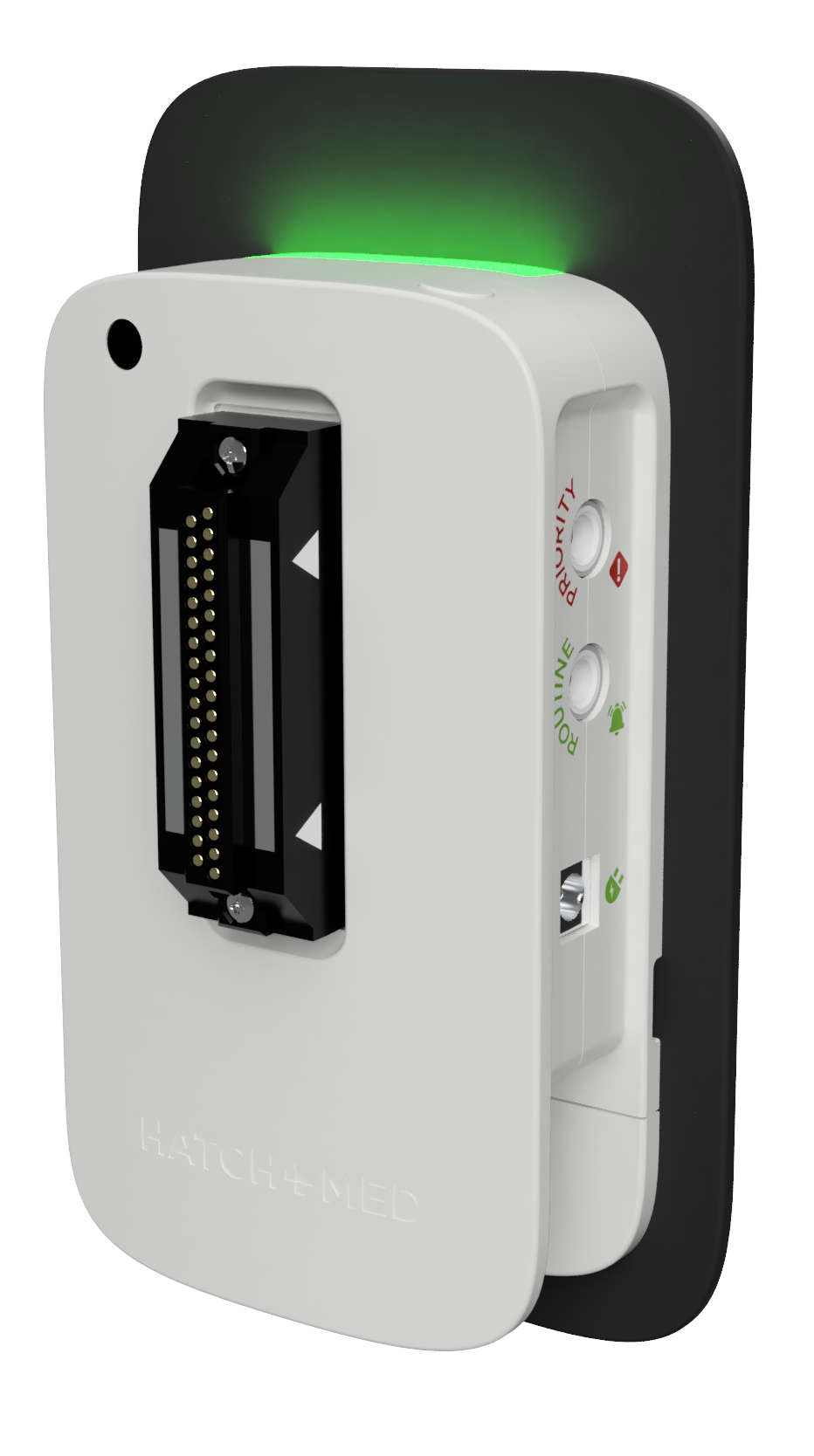
HighLight turns bedside connectivity into a smart hub.
Along with maintaining full 37-pin communication, it provides LED room status, bed monitoring, and optional cloud connectivity that supports future smart room initiatives.
Learn how HighLight adds LED status and smart room connectivity to bedside infrastructure.
SnapJack
Pillow speaker ports experience constant wear throughout the day.
SnapJack protects those connections with a magnetic breakaway, helping reduce repairs while keeping the caregiver experience exactly the same.
Discover how SnapJack protects pillow speaker ports and reduces maintenance costs.
Hospital Renovation Planning Builds Future-Ready Hospitals
Technology changes quickly.
Five years from now, your hospital may be using different beds, different monitoring systems, or entirely new patient room technology. The hospitals that adapt most easily are the ones that built flexibility into their infrastructure from the beginning.
That starts with hospital renovation planning.
Instead of designing around today’s equipment, think about the infrastructure that will support the next decade of innovation.
As hospitals continue investing in digital transformation, smart hospitals, and connected patient rooms, flexible infrastructure becomes one of the smartest investments they can make.
The Center for Health Design has published extensive research showing how evidence-based healthcare design can improve patient outcomes while supporting staff efficiency.
Build It Right While the Walls Are Open
Every capital improvement project is an opportunity to build something that lasts.
Whether you’re planning a hospital expansion, designing a replacement hospital, or modernizing an existing patient tower, the decisions made during construction will shape your facility for decades.
The best time to standardize bed connectivity is while the walls are still open.
By making bed connectivity part of your hospital renovation planning process, you’ll create patient rooms that are easier to maintain, ready for future technology, and built to support caregivers from day one.
